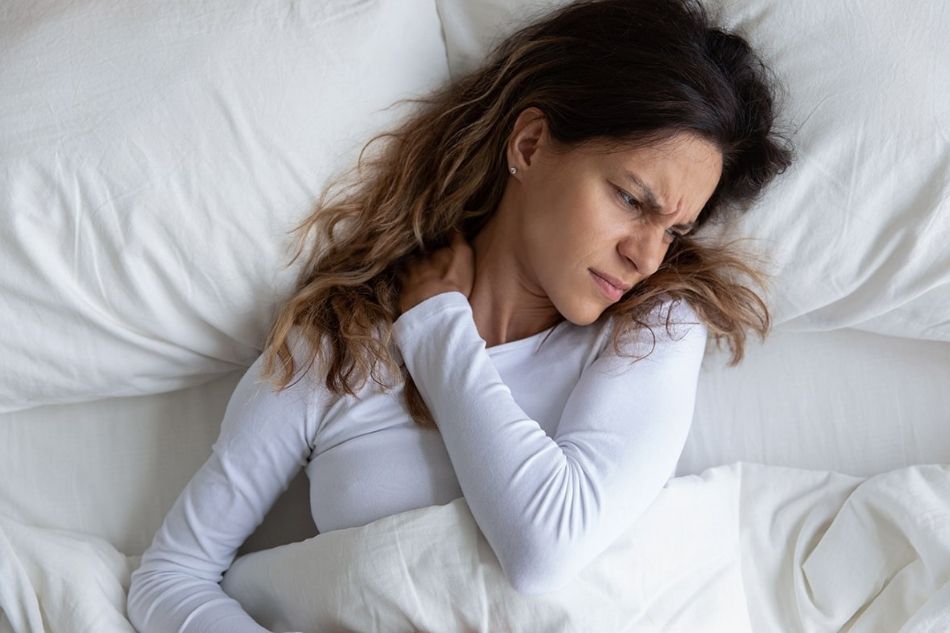
Many patients who struggle with obstructive sleep apnea feel exhausted long before the day even begins. Poor sleep can affect your energy, focus, mood, and overall health. Many patients are told that CPAP therapy is their only treatment option.
At our Kansas City TMJ and sleep practice, Dr. Prabu Raman and our team work with patients who have trouble tolerating traditional CPAP therapy. For some people, sleeping with a mask, hose, and machine every night feels uncomfortable and disruptive. Traveling with CPAP equipment can also become frustrating and inconvenient. We provide an alternative approach to sleep apnea treatment that helps patients breathe more comfortably, sleep more soundly, and wake up feeling more rested.
Why So Many Patients Dislike Their CPAP Machines
Forced air therapy is a common and effective way to keep the airway open during sleep. However, many patients struggle to use their machines consistently because of discomfort. Some people remove the mask during the night without realizing it. Unfortunately, obstructive sleep apnea events often occur later in the night and early morning hours when therapy is needed most.
Difficulty adapting to a CPAP machine does not mean you have to live with chronic exhaustion, brain fog, or the long-term effects of untreated sleep apnea.
- The motor’s continuous noise can disrupt sleep for both you and your partner.
- A bulky facial mask may trigger feelings of claustrophobia or anxiety.
- Forced air can contribute to skin irritation, dry mouth, or nasal congestion.
- Traveling with CPAP equipment, distilled water, and power cords can feel inconvenient and overwhelming.
What Is Oral Appliance Therapy?
Oral appliance therapy offers a smaller, travel-friendly alternative to traditional CPAP therapy. These custom devices fit comfortably in your mouth while you sleep. These custom devices improve airflow and help reduce airway obstruction during sleep.
How Neuromuscular Dentistry Supports Your Airway
Many oral appliances work by gently moving the lower jaw forward. This positioning helps prevent the tongue and soft tissues from collapsing into the airway during sleep. However, some traditional appliances may contribute to bite changes over time.
Dr. Raman takes a neuromuscular approach to oral appliance therapy. This approach focuses on jaw alignment, muscle balance, and airway support. When the jaw rests in a healthier position, the airway can remain more open during sleep. Patients often breathe more comfortably and experience fewer issues with dry mouth or skin irritation associated with CPAP therapy.
The Benefits Of Custom Neuromuscular Oral Appliances
At our Kansas City practice, we provide custom neuromuscular oral appliances designed to support the jaw joints, muscles, and airway together. We also offer several appliance options to improve comfort and fit for each patient.
Unlike over-the-counter snoring guards, these devices are custom-made using advanced digital technology. Each appliance is digitally designed to match your unique dental anatomy and jaw position.
- We use advanced 3D imaging and digital scanning to create a precise, comfortable fit for each appliance.
- We craft these devices from durable, high-quality materials that patients can easily clean and maintain at home.
- A silent design allows both you and your partner to sleep more peacefully.
- The compact size makes traveling much easier compared to carrying CPAP equipment.
The Connection Between Sleep Apnea And TMJ Disorder
Sleep apnea and TMJ disorder often affect each other. When breathing becomes restricted during sleep, the body may respond by clenching or grinding the teeth in an attempt to open the airway. Over time, this strain can contribute to jaw pain, worn teeth, facial tension, and morning headaches.
Because of this connection, Dr. Raman often evaluates airway health and jaw function together.
Treating The Root Cause, Not Just The Symptoms
Our goal is to help patients improve both their breathing and overall comfort. We use advanced diagnostics, including Cone Beam Computed Tomography, electromyography, and jaw-tracking technology, to evaluate how the airway and jaw joints function together.
When we understand how the jaw, airway, and surrounding muscles work together, we can create a custom appliance that addresses the source of the problem instead of only managing symptoms.
Frequently Asked Questions About CPAP Alternatives
Making the switch from CPAP therapy to a custom oral appliance is a significant decision. It is normal to have questions before beginning treatment. Below are some of the questions we hear most often from patients exploring alternatives to CPAP therapy.
Schedule Your Kansas City Sleep Apnea Consultation
You do not have to choose between struggling with a loud machine and living with poor sleep every night. If you are frustrated with your current therapy, Dr. Raman and our team can help you explore a more comfortable alternative.
Call our office today at (816) 436-4422 to schedule your consultation and learn whether a custom neuromuscular oral appliance may be right for you.